What Is a Throttle Controller and How Does It Improve Throttle Response?
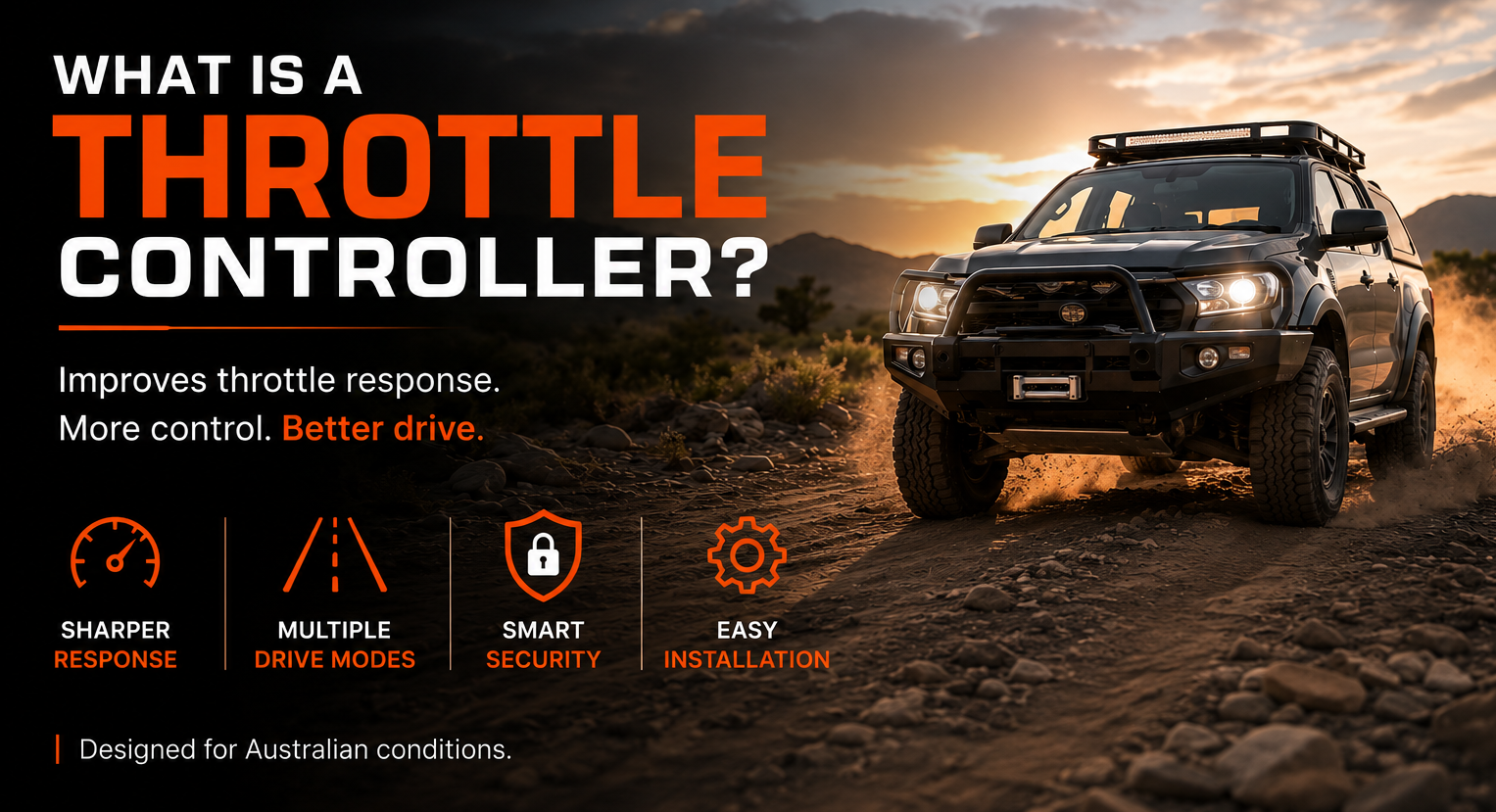
Modern vehicles are more advanced than ever, but many drivers still notice one frustrating issue: slow or delayed throttle response. You press the accelerator, expect the vehicle to respond instantly, and instead there is a short delay before the engine reacts. This is often called throttle lag, and it is especially noticeable in 4WDs, utes, SUVs and vehicles used for towing.
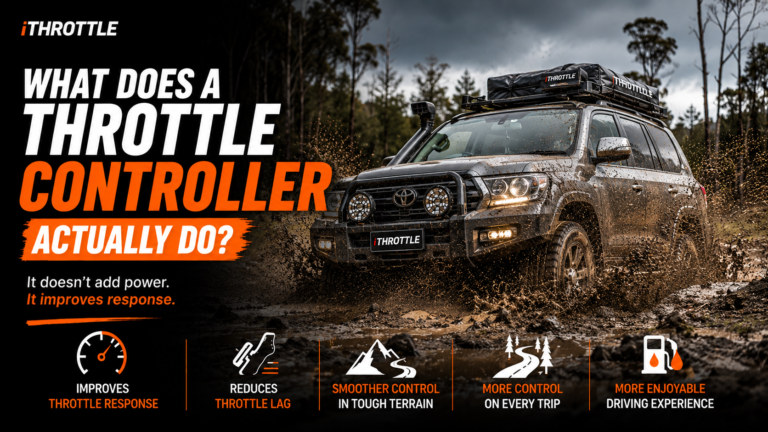
A throttle controller is designed to improve the way your vehicle responds when you press the accelerator pedal. It does not increase engine power, change the engine control unit or modify your vehicle’s factory power output. Instead, it refines the accelerator pedal signal so the vehicle feels sharper, smoother and more responsive.
For Australian drivers who tow caravans, drive off-road, commute in traffic or simply want better control from their vehicle, a quality iThrottle car throttle controller can make everyday driving feel more confident and enjoyable.
What Does a Throttle Controller Do?
A throttle controller changes the relationship between your accelerator pedal input and the vehicle’s throttle response.
In simple terms, when you press the accelerator pedal, the controller adjusts how quickly the vehicle responds to that pedal movement. This can make the vehicle feel more responsive in performance modes, smoother in economy modes, or easier to control in off-road modes.
The important thing to understand is that a throttle controller does not create extra horsepower. It does not increase engine power or raise the vehicle’s maximum power output. Instead, it improves throttle response by adjusting how the pedal signal is delivered.
That means the vehicle can feel more lively, more controlled and easier to drive without requiring an ECU tune or mechanical engine modification.
How Modern Drive By Wire Throttle Systems Work
Older vehicles used a mechanical cable between the accelerator pedal and the throttle body. When the driver pressed the pedal, the cable physically opened the throttle.
Most modern vehicles now use a drive by wire system. Instead of a cable, the accelerator pedal uses sensors to send an electronic signal. This signal is read by the engine control unit, which then controls the electronic throttle body.
The system usually includes:
- Accelerator pedal position sensor
- Electronic throttle control system
- Engine control unit
- Electronic throttle body
- Vehicle control module logic
This electronic control setup is reliable and widely used in modern vehicles, but manufacturers often tune the throttle response for comfort, fuel efficiency, emissions, safety and broad driving conditions. As a result, some vehicles can feel slow to respond when you first press the accelerator.
That delay is what many drivers describe as throttle lag.
Why Do Modern Vehicles Feel Laggy?
Throttle lag is not always a fault. In many cases, it is simply the result of factory throttle mapping.
Manufacturers often design throttle response to be smooth and conservative. This can make the vehicle easier to control for a wide range of drivers, but it can also make the accelerator feel soft, delayed or unresponsive.
This can be more noticeable when:
- Pulling away from traffic lights
- Merging onto a freeway
- Overtaking
- Towing a caravan or trailer
- Driving on soft sand or mud
- Climbing hills
- Driving a heavily loaded 4WD
A throttle controller helps by giving the driver more control over that throttle feel. You can choose a sharper response when you want stronger acceleration, or a softer response when you want smoother control.
How Does a Throttle Controller Improve Throttle Response?
A throttle controller works by refining the signal between the accelerator pedal and the vehicle’s electronic throttle system.
The iThrottle throttle controller connects in line with the accelerator pedal position sensor. Once installed, it allows you to select different drive modes and sensitivity settings to suit the way you drive.
For example, if you select a performance-focused mode, the controller can make the vehicle respond more quickly to smaller pedal inputs. This makes the vehicle feel sharper and more eager.
If you select an economy or off-road control mode, the controller can soften the response. This helps reduce sudden throttle input, making the vehicle smoother in traffic, easier to control on rough terrain and more comfortable during low-speed driving.
The result is not more engine power. It is better control over how that power is delivered.
Throttle Controller vs ECU Tune
A throttle controller and an ECU tune are not the same thing.
An ECU tune changes the software inside the engine control unit. Depending on the tune, it may alter fuel delivery, boost pressure, torque limits, ignition timing and other engine parameters. This can affect engine power and power output.
A throttle controller does not rewrite the ECU. It does not change boost, fuel maps or internal engine settings. It focuses only on throttle response.
This makes it a popular option for drivers who want a more responsive driving feel without modifying the engine itself.
For many 4WD owners, touring drivers and daily commuters, a throttle controller offers a simple upgrade that improves the way the vehicle feels from behind the wheel.
Is a Throttle Controller the Same as Cruise Control?
No, a throttle controller is not the same as cruise control.
Cruise control is designed to maintain a set vehicle speed without the driver constantly pressing the accelerator pedal.
A throttle controller is different. It changes how the vehicle responds when you press the accelerator. You are still fully in control of the pedal, but the response can be adjusted to suit different driving conditions.
So while cruise control manages speed, a throttle controller manages pedal response.
iThrottle Drive Modes Explained
The iThrottle controller includes multiple driving modes designed for different conditions. You can choose the mode that suits your vehicle, terrain and driving style.
Boost Mode
Boost Mode is designed for maximum throttle response. It gives the vehicle a sharper and more aggressive feel, especially through low-to-mid throttle input. This is useful when you want stronger response for everyday driving, overtaking or more confident acceleration.
Economy Mode
Economy Mode softens throttle response to help reduce unnecessary engine demand during normal driving. It is ideal for city traffic, stop-start driving and relaxed commuting. The goal is smoother acceleration and better driving efficiency.
Towing Mode
Towing Mode is designed for vehicles carrying extra load or towing caravans, trailers and boats. It keeps the vehicle smooth during normal driving but increases response when more pedal input is needed, such as climbing hills or overtaking.
If towing is a major part of how you use your vehicle, the iThrottle car throttle controller is a strong upgrade to consider.
Sand & Mud Mode
Sand & Mud Mode is built for loose and slippery terrain. It helps deliver a more controlled throttle response so the driver can maintain traction in soft sand, mud and other challenging off-road conditions.
Crawl Mode
Crawl Mode softens throttle response for technical off-road driving. This is useful when driving over rocks, ruts, steep tracks or uneven ground where sudden throttle input can cause wheel spin.
For 4WD owners, this type of control can make low-speed off-road driving smoother and more predictable.
Intelligent Mode
Intelligent Mode adapts to your driving style and adjusts throttle response accordingly. It is designed to provide a balance between smooth control and responsive acceleration, making it useful for mixed everyday driving.
Winch Mode
Winch Mode is one of the standout features of the iThrottle controller. It helps maintain higher RPM while winching, reducing strain on the battery and alternator during recovery situations.
This is especially useful for 4WD drivers who regularly travel off-road and want more control during vehicle recovery.
Lock Mode
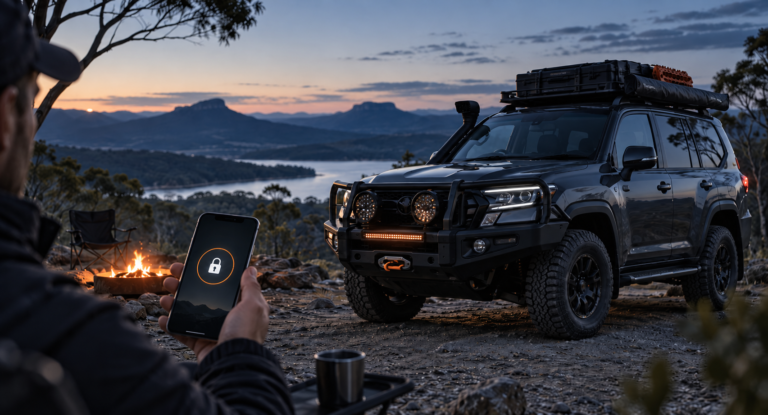
Lock Mode disables throttle function for anti-theft purposes. This adds an extra layer of security because the vehicle cannot be driven normally while the throttle is disabled.
For drivers looking at both performance and security, this is one reason to compare the full Throttle Controller range before choosing a basic unit.
Does a Throttle Controller Increase Engine Power?
No, a throttle controller does not increase engine power.
This is one of the most common misunderstandings. A throttle controller changes throttle response, not engine output. Your vehicle’s power output remains the same.
What changes is the way the vehicle feels when you press the accelerator. In sharper modes, the throttle opens more responsively in relation to pedal input, so the vehicle feels quicker to react.
Think of it like adjusting the sensitivity of the accelerator pedal. The engine is not producing more power, but the power you already have becomes easier to access.
Why Throttle Response Matters for 4WDs
Throttle response is especially important in 4WDs because these vehicles are often heavier and used in more demanding conditions.
A 4WD may be used for:
- Daily commuting
- Caravan towing
- Beach driving
- Mud tracks
- Touring with heavy gear
- Hill climbs
- Technical off-road tracks
- Boat ramp launches
Each situation benefits from a different throttle feel. Sharp response may be useful when merging or overtaking, while softer response may be better on rough tracks or slippery terrain.
This is where a multi-mode throttle controller becomes valuable. Instead of being stuck with one factory throttle map, you can adjust the response to suit the drive.
Why iThrottle Is Different
The iThrottle controller is designed for drivers who want more than a basic throttle response upgrade.
It features a full colour high resolution TFT LCD screen, making modes easier to read and adjust. The controller includes multiple driving modes including Boost, Economy, Towing, Sand & Mud, Crawl, Intelligent, Winch and Lock Mode.
It also offers simple inline installation at the accelerator pedal harness, with no cutting or permanent modification required. The controller is also backed by iThrottle’s warranty support, giving drivers extra peace of mind.
You can view the full product details here: iThrottle Car Throttle Controller
When Should You Use Each Mode?
The best mode depends on your driving conditions.
For daily driving, Intelligent Mode or Economy Mode may suit most drivers. Intelligent Mode gives balanced response, while Economy Mode helps keep acceleration smooth and controlled.
For towing, Towing Mode is the obvious choice. It helps make the vehicle feel more confident when carrying extra weight, especially on hills or when overtaking.
For off-road use, Sand & Mud Mode and Crawl Mode give better control in low traction conditions. Sand & Mud Mode helps with loose surfaces, while Crawl Mode is better for slow technical terrain.
For maximum response, Boost Mode gives the sharpest driving feel.
For recovery situations, Winch Mode provides added control when higher RPM is needed during winching.
Is a Throttle Controller Worth It?
A throttle controller is worth considering if your vehicle feels sluggish, delayed or unresponsive when you press the accelerator.
It is especially useful if you:
- Drive a modern drive by wire vehicle
- Tow a caravan, trailer or boat
- Own a 4WD or ute
- Drive off-road
- Want smoother low-speed control
- Want sharper response without an ECU tune
- Want adjustable driving modes for different conditions
It is not designed to turn your vehicle into a high-powered performance car. It is designed to make the throttle feel more responsive, more predictable and better suited to the way you drive.
Final Thoughts
A throttle controller is one of the simplest ways to improve the driving feel of a modern vehicle. By adjusting the electronic throttle signal, it helps reduce throttle lag and gives the driver more control over acceleration response.
It does not increase engine power or change your vehicle’s factory power output. Instead, it improves how quickly and smoothly the vehicle responds to accelerator pedal input.
Whether you are towing, commuting, touring or heading off-road, iThrottle gives you the flexibility to choose the right throttle response for the conditions.
To upgrade your vehicle’s throttle response, view the iThrottle car throttle controller or browse the Throttle Controller category.