Switching Off the Engine, Not Your Awareness: Staying Safe While Camping Off-Grid

There’s something deeply satisfying about switching off the engine after a long drive, setting up camp, and letting the outback slow you right down. The fire crackles, the billy’s on, and for a moment, everything feels exactly as it should. Off-grid camping is about escaping noise, pressure, and constant alerts. But while the engine’s off, awareness should stay very much on.
Out in remote areas, safety isn’t about hovering over your vehicle or checking gauges every five minutes. It’s about quiet confidence, knowing things are under control so you can actually relax.
The unseen risks of switching off completely
Once the vehicle stops, it’s easy to forget it’s still working in the background. Fridges continue to draw power, phones and cameras get charged, lights stay on longer than planned. A flat battery isn’t dramatic at first, it only becomes a problem the next morning when the engine doesn’t turn over.
This is where simple tools can make a big difference without demanding attention. A compact solution like a battery monitor with trip data logging lets you keep an eye on voltage levels without guesswork. You’re not obsessing, you’re informed. That peace of mind matters when help isn’t close by. Tools like the iThrottle Battery Monitor / Trip Data Logger quietly do their job so you don’t have to.
Awareness without effort
Modern off-grid travel doesn’t mean roughing it. It means being prepared in smart, low-effort ways. Knowing your vehicle’s health, battery status, and location allows you to properly switch off mentally. That’s the difference between constantly “checking things” and simply knowing they’re fine.
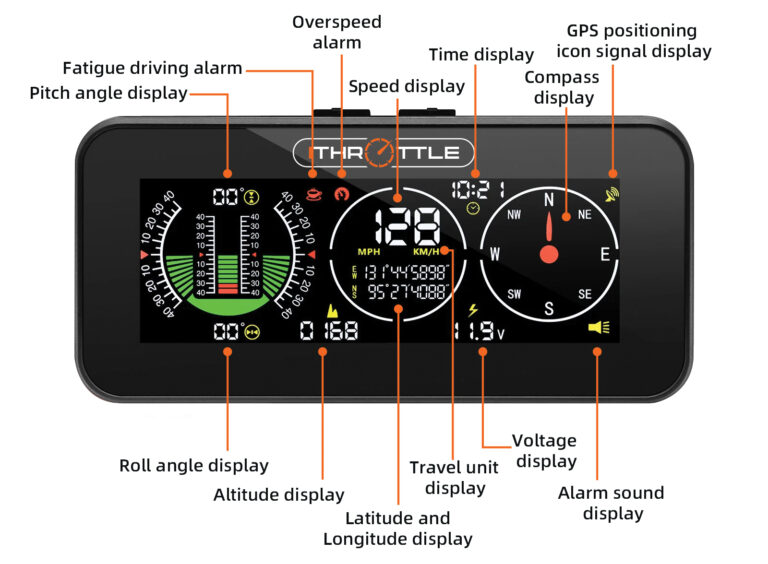
Navigation awareness is another part of that equation. Tracks change, conditions shift, and larger tyres can throw off factory speed readings. A GPS-based solution keeps information accurate no matter how your 4WD is set up. Something like the iThrottle 4×4 GPS Multi Gauge adds another layer of confidence: speed, pitch, roll, and location data all in one place, without relying on mobile reception.
Night-time is when preparation pays off
Campfire moments are when preparation proves its value. When you know your battery’s healthy and your vehicle’s ready for the morning, you can enjoy the quiet properly. No second-guessing. No “what ifs” running through your head while you’re meant to be unwinding.
This is especially important if you’re travelling solo or with family. Off-grid safety isn’t about fear: it’s about responsibility. Being prepared means fewer surprises, and fewer surprises mean better memories.
Relax, but stay ready
Switching off the engine doesn’t mean switching off awareness. It means trusting the systems you’ve put in place. The best off-road gear works in the background, supporting the experience instead of distracting from it.
When you’re camping off-grid, the goal isn’t to worry less, it’s to enjoy more, knowing you’re ready for whatever comes next. That’s real freedom.
Essential Electronics for Safer Off-Grid Camping
When you are camping away from powered sites and mobile coverage, your vehicle’s electrical setup becomes more important. A flat battery, poor navigation or unreliable phone charging can quickly turn a relaxed trip into a stressful one.
A battery monitor is one of the most useful accessories for off-grid camping. It helps you keep an eye on voltage and battery condition, especially when running a fridge, lights, chargers and other camping gear overnight.
A GPS multi gauge is also helpful when travelling through unfamiliar tracks. It gives you useful driving information such as GPS speed, altitude, compass direction, pitch and roll angles, helping you stay more aware of your surroundings.
For communication and navigation, a heavy duty phone mount keeps your phone secure and easy to see, while a 5 in 1 car charger helps keep multiple devices powered during long drives.
Useful links:
- Battery Monitor Trip Data Logger
- 4×4 GPS Multi Gauge
- Heavy Duty Phone Mount
- iThrottle 5 in 1 Car Charger
Common Off-Grid Camping Mistakes to Avoid
Small mistakes can create big problems when you are camping remotely. Before leaving, make sure your battery is healthy, your tyres are in good condition, and your navigation tools are working properly.
Avoid relying only on mobile reception. Download offline maps before you leave and carry a backup navigation option if travelling into remote areas. It is also worth packing extra drinking water, a first aid kit, basic tools, tyre repair gear and recovery equipment.
If you are running a fridge or camp lights overnight, check your battery level regularly. Many flat battery problems happen because drivers underestimate how much power their accessories use while parked.
Frequently Asked Questions
What should I check before off-grid camping?
Check your tyres, battery, fluids, lights, recovery gear, water supply, first aid kit, navigation tools and communication options before leaving.
Do I need a battery monitor for camping?
Yes, a battery monitor is very useful when running fridges, lights and charging devices while camping. It helps you avoid unexpected flat batteries.
Why is a GPS multi gauge useful off-road?
A GPS multi gauge gives you extra driving information such as speed, altitude, compass direction, pitch and roll angles, which can be helpful on remote tracks.
How do I keep my phone charged while camping?
Use a reliable car charger and keep charging cables accessible. A multi-port charger is useful if you need to charge phones, cameras, tablets and other devices.
Should I rely on mobile maps off-grid?
No. Mobile reception can be unreliable in remote areas. Download offline maps before leaving and carry a backup navigation method where possible.